
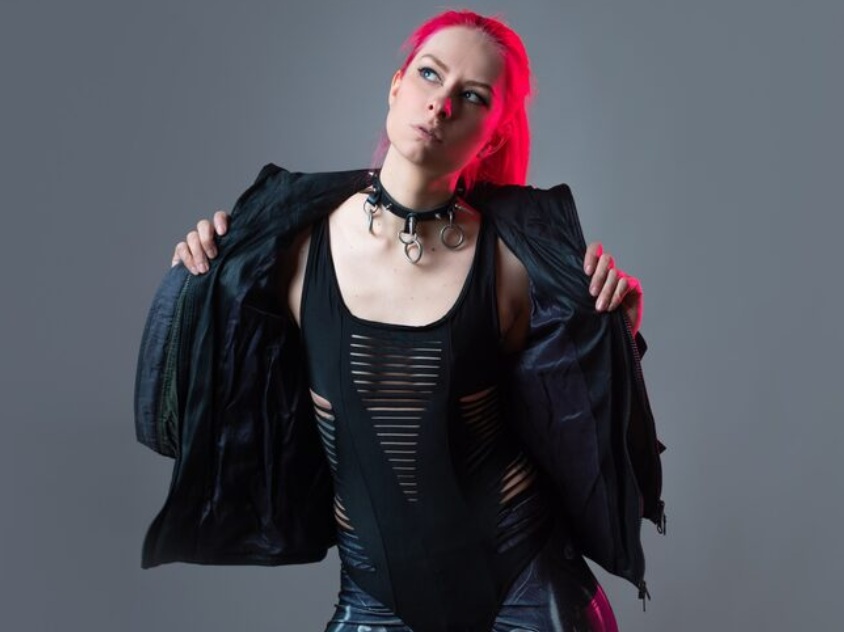
Exploring the Evolution of Goth and Rock Fashion Trends
The Origins of Goth and Rock Fashion
The evolution of goth and rock fashion can be traced back to the mid-1970s and early 1980s when punk rock emerged as a radical form of expression. The punk movement was characterized by its rebellious attitude, which was reflected in its fashion choices, including ripped clothing, leather jackets, and distinctive hairstyles. This laid the groundwork for the goth subculture, which began to take shape in the late 1970s, incorporating darker themes and a more theatrical aesthetic.
As these two genres developed, they began to influence each other, leading to the emergence of unique fashion trends that combined elements from both styles. One of the most iconic pieces that exemplify this blend is the Goth N. Rock gothic belts, which became a staple in the wardrobes of many subculture enthusiasts. These belts often feature intricate designs, spikes, and chains, symbolizing the edgy and dark ethos of the goth and rock communities.
Key Elements of Goth Fashion
Goth fashion is characterized by its use of dark colors, especially black, along with dramatic and romantic elements. Key components of goth fashion include:
- Dark clothing, often made of velvet, lace, or leather
- Heavy makeup, including dark eyeliner and lipstick
- Unique hairstyles, often featuring dyed black or vibrant colors
- Accessories like chokers, spikes, and, of course, Goth N. Rock gothic belts
Throughout the years, goth fashion has evolved, incorporating influences from various styles such as Victorian and punk. The result is a rich tapestry of looks that can range from ethereal and romantic to edgy and fierce.
Rock Fashion Through the Decades
Rock fashion has also undergone significant changes since its inception. In the 1960s and 1970s, rock icons like Jimi Hendrix and Janis Joplin defined the era’s style through colorful patterns, bohemian influences, and flamboyant outfits. As rock music evolved into various subgenres, so too did the fashion associated with it.
In the 1980s, glam rock bands like David Bowie and Mötley Crüe introduced a more extravagant style characterized by glitter, leather, and bold hairstyles. The 1990s saw the rise of grunge, with artists like Kurt Cobain popularizing a more laid-back, anti-fashion approach that included flannel shirts and combat boots. Despite these shifts, certain elements, like leather jackets and band t-shirts, have remained consistent symbols of rock fashion.
The Fusion of Goth and Rock Trends
As the goth and rock worlds began to intersect, a unique style emerged that blended the dark aesthetics of goth with the rebellious spirit of rock. This fusion has given rise to various subgenres, including darkwave and industrial rock, which often embrace the visual elements of both styles.
Fashion-forward individuals began to mix and match components from both cultures, leading to a rich and diverse array of styles. For example, pairing a classic band tee with a flowing black skirt and Goth N. Rock gothic belts became a popular choice, showcasing the versatility of these fashion trends.
Current Trends in Goth and Rock Fashion
Today, goth and rock fashion continues to evolve, with new influences emerging from various sources, including social media and street style. Modern designers are increasingly incorporating gothic elements into mainstream fashion, making it accessible to a broader audience. Vintage and thrift shopping has also become popular, allowing individuals to find unique pieces that reflect their personal style.
For those looking to embrace this aesthetic, it’s worth it to discover Goth N Rock, a brand that specializes in offering a wide range of goth and rock-inspired clothing and accessories that cater to individual tastes and preferences.
Embracing Individuality Through Fashion
The evolution of goth and rock fashion trends serves as a testament to the power of self-expression and creativity. By embracing these styles, individuals can convey their unique identities, challenge societal norms, and celebrate the rich history of these vibrant subcultures. Whether incorporating elements from goth, rock, or both, the beauty of fashion lies in the ability to craft a look that is distinctly one’s own, reflecting personal stories and experiences.