
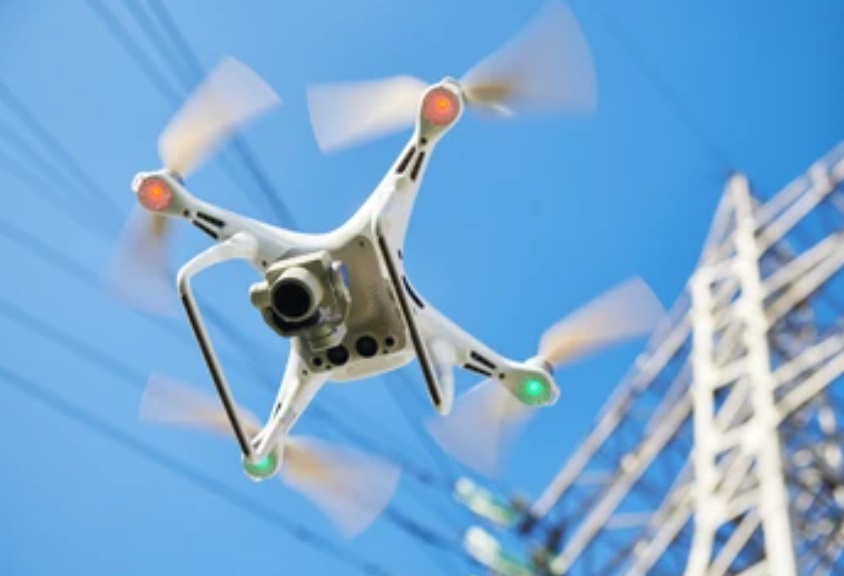
Using Drones to Improve Utility Infrastructure Assessments
Introduction to Drone Technology in Utility Inspections
Utility infrastructure plays a critical role in the daily functioning of modern society, encompassing power lines, pipelines, communication towers, and water treatment facilities. Maintaining and inspecting these assets regularly is essential to prevent failures, ensure safety, and optimize performance. Traditional inspection methods often involve manual labor, extensive downtime, and sometimes hazardous conditions. However, the integration of unmanned aerial vehicles (UAVs), commonly referred to as drones, has revolutionized this field. Many organizations are increasingly relying on using drones for utility inspections to enhance efficiency and safety.
Advantages of Using Drones for Utility Inspections
Drones offer several key benefits over traditional inspection techniques, including:
- Accessibility: Drones can easily reach difficult or dangerous locations such as high-voltage power lines or remote pipelines without risking human safety.
- Speed and Efficiency: Inspections that previously took days can now be completed in hours, significantly reducing operational downtime.
- Cost-Effectiveness: Reduced need for specialized equipment like helicopters or scaffolding lowers overall inspection costs.
- Data Quality: Equipped with high-resolution cameras and sensors, drones capture detailed images and thermal data that improve fault detection.
- Real-Time Monitoring: Live video feeds from drones enable immediate assessment and quicker decision-making.
Types of Drones Used in Utility Infrastructure Assessments
The selection of the appropriate drone depends on the specific requirements of the utility inspection. Common categories include:
- Surveillance Drone: Designed for monitoring large areas, these drones are ideal for pipeline patrols and inspecting extended power grids.
- Commercial Drones: Equipped with advanced sensors and imaging technology, these UAVs provide detailed diagnostics for complex assets.
- Specialized Inspection Drones: Fitted with thermal cameras or LiDAR systems to detect anomalies invisible to the naked eye.
Understanding UAV vs Drone Terminology
While often used interchangeably, the terms UAV (Unmanned Aerial Vehicle) and drone have subtle distinctions. UAV is a technical term referring to the aircraft itself, which operates without a human pilot onboard. The word “drone” is more colloquial and can describe both autonomous and remotely piloted UAVs. In the context of utility infrastructure assessments, both UAVs and drones serve significant roles in providing accurate and timely inspection data.
Applications of Drone Utility Inspection
Drone utility inspection encompasses a wide range of applications across various sectors:
- Power Line Inspections: Drones examine transmission lines for wear, corrosion, and vegetation encroachment, minimizing the risk of outages.
- Pipeline Monitoring: Regular aerial surveys help detect leaks, corrosion, or unauthorized activity along oil and gas pipelines.
- Telecommunication Towers: Drones inspect antenna arrays and tower structures, ensuring signal integrity and structural safety.
- Renewable Energy Facilities: Solar farms and wind turbines benefit from drone inspections to identify faults and improve maintenance planning.
- Water Infrastructure: Drones assess dams, reservoirs, and treatment plants for structural integrity and potential contamination risks.
Enhancing Security and Surveillance with Drones
Beyond inspection, drone security capabilities provide an additional layer of protection for critical utility infrastructure. Surveillance drones can perform perimeter patrols, detect unauthorized intrusions, and monitor environmental conditions. This proactive approach to drone security helps prevent vandalism, theft, and sabotage while ensuring compliance with regulatory standards.
Future Outlook: Integrating AI and Automation
The future of drone utility inspection lies in integrating artificial intelligence and automation technologies. Advanced algorithms can analyze drone-captured data to automatically identify defects, predict maintenance needs, and optimize inspection schedules. This evolution will further reduce human error, improve operational efficiency, and extend the lifespan of vital utility assets.
Harnessing the Full Potential of Drone Technology
Utilizing drones for utility inspections marks a significant advancement in how infrastructure is managed and maintained. By combining the benefits of aerial access, detailed imaging, and real-time data transmission, drones enhance the accuracy and safety of inspection processes. As technology continues to evolve, utility providers stand to gain from increasingly sophisticated drone applications, ensuring resilient and reliable infrastructure for the future.